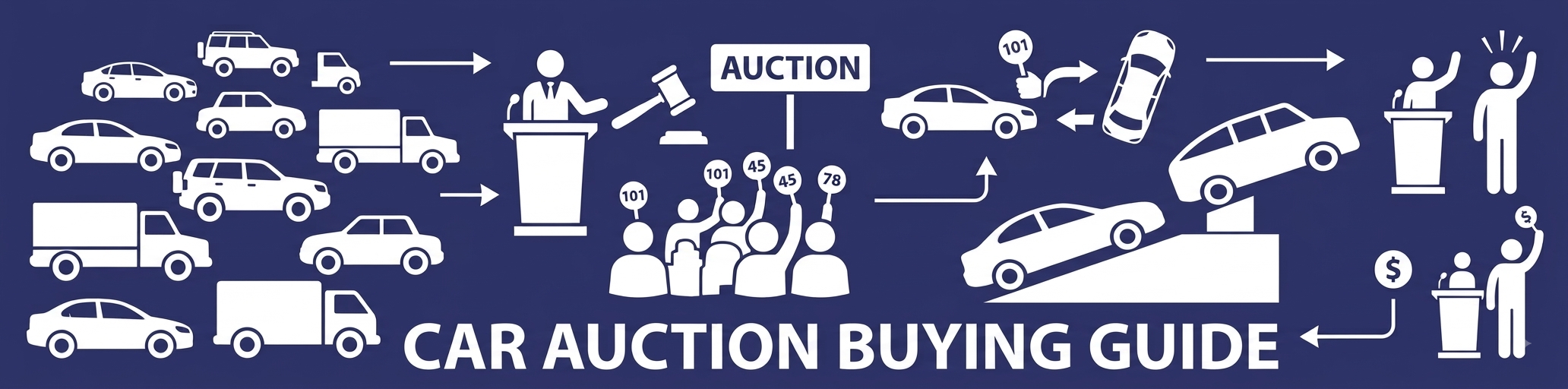
Winning a vehicle at a government or municipal auction is only half the transaction. Once the hammer falls, the buyer assumes immediate legal and financial responsibility for the asset. Managing post-auction logistics efficiently is critical to avoiding heavy daily storage fees, vehicle impoundment, or insurance liabilities.
Unlike retail car dealerships, government impound lots and municipal fleet yards do not offer courtesy delivery, temp tags, or extended storage windows.
1. Post-Auction Timelines and Removal Deadlines
Most public auction platforms (e.g., GovDeals, PublicSurplus, GSA Auctions) enforce strict operational timelines following lot closure:
+-------------------------------------------------------------------------------+
|                      POST-AUCTION LOGISTICS TIMELINE                          |
+-------------------------------------------------------------------------------+
| Day 1 – 2 : Payment Settlement & Bill of Sale Issuance                         |
| Day 3 – 5 : Removal Window (Free storage period)                              |
| Day 6+    : Daily Storage Penalty ($25–$100/day) or Default Forfeiture       |
+-------------------------------------------------------------------------------+
-
Payment Deadline: Typically 2 business days after auction close via wire transfer, cashier’s check, or certified funds.
-
Removal Window: Buyers usually receive 5 to 10 business days to pick up the vehicle.
-
Storage Penalties: Exceeding the removal deadline incurs daily storage charges ranging from $25 to $100 per day. Unclaimed vehicles after 30 days are declared abandoned and re-auctioned with forfeiture of funds.
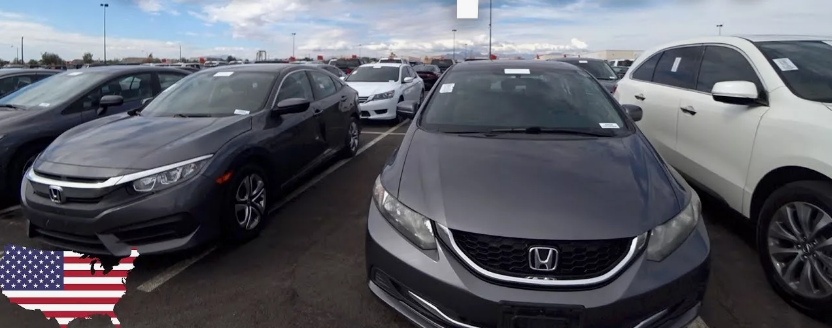
2. Choosing Your Removal Method: Drive-Away vs. Towing
Before scheduling pickup, determine whether the vehicle can legally and mechanically be driven off the property or requires flatbed transport.
| Transport Method | Best Used For | Requirements & Prerequisites |
| Driven Off-Site (Drive-Away) | Fully operational fleet vehicles with valid inspection tags and clean title status. |
• Proof of active auto insurance policy. • Temporary movement permit or transit plate. • Jump-start pack and tire inflator in hand. |
| Flatbed Tow Truck / Car Hauler | Non-running lots, seized assets, "Bill of Sale Only" units, or long-distance purchases. |
• Winch-equipped trailer (if vehicle does not roll). • Driver authorization form sent to auction yard. • Scheduled appointment window. |
3. Essential Equipment for Self-Pickup
Government yards usually prohibit auction site staff from assisting with loading, jump-starting, or repairing vehicles. If picking up a vehicle personally, bring a minimum recovery toolkit:
-
Portable Lithium Jump Starter: Batteries on auctioned fleet units are frequently discharged from sitting idle.
-
12V Air Compressor & Tire Pressure Gauge: Fleet vehicles often have low or flat tires after months in storage yards.
-
Basic Hand Tool Kit: Socket set, pliers, and screwdrivers to reinstall battery terminals or adjust loose components.
-
Safety Gear: High-visibility vest, gloves, and flashlight (many municipal yards have limited lighting and require safety wear).
4. Hiring Third-Party Transport Carriers
For out-of-state or long-distance auction wins, hiring a professional auto transport company requires specific preparation:
-
Issue a Gate Pass / Authorization Letter: Notify the auction yard in writing, granting the transport carrier permission to collect the vehicle on your behalf.
-
Provide Buyer Identification: Send the carrier a copy of the paid invoice, lot number, and release document.
-
Verify Trailer Type:
-
Open Carrier: Most cost-effective for standard sedans, police cruisers, and pickup trucks.
-
Enclosed Carrier: Preferred for high-value collector vehicles or exposed classic parts.
-
Flatbed with Winch: Mandatory for non-running units or vehicles missing keys.
-
Summary Action Steps for Winning Bidders
-
Pay Immediately: Complete payment within 24 hours to accelerate the release document generation.
-
Coordinate Pickup Early: Schedule your tow truck or drive-away itinerary as soon as the release paperwork arrives—never wait until the final day of the free storage window.
-
Carry Recovery Tools: Always prepare for a dead battery, low tire pressure, or empty fuel tank when collecting retired government assets.
