Beyond vehicles and heavy machinery, federal law enforcement agencies (such as the U.S. Marshals Service, DEA, FBI, and Customs and Border Protection) along with local police departments regularly liquidate seized, forfeited, and abandoned property. These auctions feature high-value personal property including fine jewelry, luxury watches, consumer electronics, specialized audio/video gear, and designer goods.
Reselling seized assets can be highly lucrative, but it carries unique risks—primarily authentication challenges, missing accessories, and strict auction house terms.
1. Core Categories of Seized Personal Property

2. Authenticating Luxury Goods and Jewelry
Government liquidations usually sell items "As-Is, Where-Is" without warranty. However, official government sales (like GSA Auctions or U.S. Marshals sales) often include third-party appraisal certificates or laboratory reports for high-value lots.
-
Precious Metal Melt Value (Floor Price): For gold and platinum jewelry, calculate the intrinsic scrap melt value based on live spot prices (Karat percentage × weight in grams). Never bid above melt value unless the item is a signed designer piece (e.g., Cartier, Tiffany & Co.) with high resale demand.
-
Watch Serial & Movement Audits: Ensure luxury timepieces (Rolex, Breitling, Omega) retain original factory components. Aftermarket diamond bezels or modified dials drastically reduce secondary collector value.
3. Auditing Seized Consumer Electronics
Laptops, smartphones, and tablets from law enforcement seizures present specific technical hurdles:
| Equipment Category | Critical Inspection Focus | Potential Risk / Red Flag |
| Apple Devices (iPhones, MacBooks, iPads) | Verify Activation Lock / iCloud status. | iCloud Locked / MDM Enrolled: Unusable for resale without board-level part harvesting. |
| Android Smartphones & Tablets | Check FRP (Factory Reset Protection) and IMEI status. | Blacklisted / FRP Locked: Blocked on cellular networks or locked to carrier. |
| Laptops & Desktop PCs | Confirm storage drives are included or wiped. | Missing Storage Drives: Government agencies often remove NVMe/SSD drives for data security. |
| Camera & Audio Gear | Inspect sensor cleanliness, lens glass, and power adapters. | Fungus / Haze in Optics: High repair cost reduces resale profit margins. |
4. Calculating Resale Margins and Platform Fees
To run a profitable reselling operation sourcing from seized asset auctions, factor all overhead costs into your maximum bid formula:
-
Buyer's Premium (10%–20%): Auction platforms add a fee on top of the hammer price.
-
Resale Platform Fees (10%–15%): Selling on eBay, StockX, or specialized consignment platforms incurs listing and payment processing fees.
-
Refurbishment / Cleaning Costs: Factor in battery replacements, professional polish, or missing charger replacements.
Summary Action Steps for Seized Goods Resellers
-
Calculate Metal Floor Value: Always establish the raw gold/silver spot value as your safety net when bidding on fine jewelry.
-
Avoid Locked Smart Devices: Only buy smartphones and laptops certified "unlocked and data-wiped" unless purchasing explicitly for component harvesting.
-
Verify Third-Party Appraisals: Stick to lots accompanied by accredited gemological lab reports (GIA/IGI) when buying high-carat diamonds or rare gemstones online.
In addition to passenger cars and fleet trucks, federal agencies, state governments, and municipal public works departments liquidate billions of dollars in surplus equipment annually. From diesel standby generators and heavy construction machinery to industrial tools and tactical gear, public auctions provide direct access to commercial-grade equipment at a fraction of original procurement costs.
However, purchasing heavy surplus equipment differs significantly from buying standard motor vehicles. Buyers must understand operational hours, auxiliary power specs, transport requirements, and regulatory compliance before bidding.
1. Primary Categories of Government Surplus Equipment
A. Power Generation & Mobile Lighting
-
Equipment Types: Towable diesel generators (10 kW to 250+ kW), solar/diesel hybrid light towers, backup station units.
-
Common Brands: Cummins, Caterpillar, Multiquip, Generac, Doosan, Wacker Neuson.
-
Key Use Cases: Job site power, off-grid property backup, agricultural operations, disaster relief preparedness.
B. Heavy Earthmoving & Road Maintenance Machinery
-
Equipment Types: Backhoe loaders, wheel loaders, mini-excavators, skid steers, motor graders.
-
Common Brands: Caterpillar, John Deere, CASE, Bobcat, Komatsu.
-
Key Use Cases: Land clearing, excavation, road maintenance, snow removal, construction.
C. Industrial Shop Equipment & Tools
-
Equipment Types: Industrial air compressors, shop presses, engine hoists, heavy-duty tool cabinets, plasma cutters.
-
Key Use Cases: Workshop upgrades, commercial repair garages, manufacturing shops.
2. Evaluating Engine Hours vs. Mileage
Unlike passenger cars where mileage is the primary wear metric, heavy equipment and industrial generators rely on Engine Hours recorded on an hour meter.
+-------------------------------------------------------------------------------+
|                       EQUIPMENT WEAR & HOUR BENCHMARKS                        |
+-------------------------------------------------------------------------------+
| Low Hours   : 0 – 2,500 Hours   (Prime condition, minimal structural wear)   |
| Mid Hours   : 2,500 – 6,000 Hours (Standard fleet usage, well-maintained)    |
| High Hours  : 6,000+ Hours      (Nearing major component overhaul window)    |
+-------------------------------------------------------------------------------+
-
1 Engine Hour Benchmark: One hour of heavy diesel engine operation under load is roughly equivalent to 30–45 miles of highway driving in a standard vehicle.
-
Idle Time Warning: Municipal equipment (like light towers or utility generators) often accumulates high engine hours from idling with minimal physical mechanical wear. Verify whether hours reflect active load work or idle standby.
3. Key Technical Inspections Before Bidding
When attending an onsite preview day or reviewing digital inspection reports for heavy surplus equipment, focus on these critical areas:
| Component | What to Check | Common Red Flags |
| Hydraulic Systems | Inspect hydraulic cylinders, hoses, pumps, and control valves on backhoes, loaders, and excavators. | Wet hydraulic fluid around cylinder seals, pitted/scratched chrome rams, or soft/cracked hydraulic hoses. |
| Generator Alternators & Panels | Verify output voltage rating (Single-Phase 120V/240V vs. Three-Phase 208V/480V) and check the control panel. | Rodent nesting inside generator housing, corroded wiring harnesses, or missing circuit breakers. |
| Undercarriage & Tires | On tracked machines (excavators, skid steers), measure track tension and sprocket tooth wear. On wheeled units, check tire ply ratings. | Deeply grooved or worn sprockets, cracked rubber tracks, dry-rotted heavy equipment tires (replacements cost $500–$2,000 each). |
| Fluids & Filters | Pull engine oil and coolant dipsticks; inspect air filters. | Milky engine oil (indicates blown head gasket or internal coolant leak), dark soot-heavy coolant, or metal shavings in hydraulic oil. |
4. Heavy Transport and Rigging Logistics
Transporting heavy machinery or stationary generators requires specialized freight arrangements beyond standard car haulers:
-
Weight and Dimension Ratings: Always verify the operating weight (e.g., a CAT 420 Backhoe weighs ~17,000–20,000 lbs) to ensure your trailer and tow vehicle are legally rated for the payload.
-
Ramps and Loading Assistance: Government auction yards rarely provide rigging, cranes, or fork lifts to assist with loading heavy non-running equipment. Ensure your transport provider has lowboy trailers, ramps, or winches.
-
Overwidth / Overweight Permits: Equipment exceeding standard width (8.5 feet) or weight limits requires state-specific oversize transit permits prior to highway transport.
Summary Action Steps for Surplus Equipment Bidders
-
Verify Phase and Voltage: Confirm generator electrical output specs match your power grid requirements (e.g., 3-phase units require phase converters for standard single-phase residential use).
-
Calculate Total Weight for Shipping: Obtain exact operating weights and dimensions before requesting freight quotes from heavy haulers.
-
Inspect Hydraulics First: On excavators, loaders, and backhoes, repairing failed hydraulic pumps or leaky cylinders can easily exceed the winning auction bid price.
Heavy-duty pickup trucks, utility bed trucks, and service vehicles are among the most sought-after assets at state liquidations, county public works sales, and federal surplus auctions. Municipal water departments, highway maintenance crews, and park rangers routinely deploy half-ton to one-ton truck platforms built for towing, hauling, and off-road site access.
While government fleet trucks benefit from scheduled preventive maintenance, they also endure severe commercial use, heavy payload stress, towing wear, and salt exposure. This guide details how to evaluate frame strength, drivetrain health, and utility equipment before placing a bid.
1. Popular Fleet Truck Platforms at Government Auctions
State and federal auction listings are dominated by three primary American truck platforms:
+-------------------------------------------------------------------------------+
|                       POPULAR AUCTION TRUCK PLATFORMS                         |
+-------------------------------------------------------------------------------+
| [Ford F-150 / F-250 / F-350]    --> Dominant municipal fleet platform         |
| [Chevrolet Silverado / GMC Sierra 1500–3500] --> Common public works / utility|
| [RAM 1500 / 2500 / 3500 Tradesman] --> High-torque towing & service bed units|
+-------------------------------------------------------------------------------+
A. Ford F-Series (F-150, F-250 Super Duty, F-350)
-
Gas Engines: 3.3L/3.5L V6, 5.0L V8 (F-150); 6.2L V8, 6.8L/7.3L "Godzilla" V8 (Super Duty).
-
Diesel Engines: 6.7L PowerStroke V8 Turbo Diesel.
-
Auction Source: Forestry services, highway authorities, state DOTs, and municipal utilities.
B. Chevrolet Silverado / GMC Sierra (1500, 2500HD, 3500HD)
-
Gas Engines: 4.3L V6, 5.3L V8, 6.0L / 6.6L V8.
-
Diesel Engines: 6.6L Duramax V8 Turbo Diesel.
-
Auction Source: Parks and recreation departments, water works, and agricultural agencies.
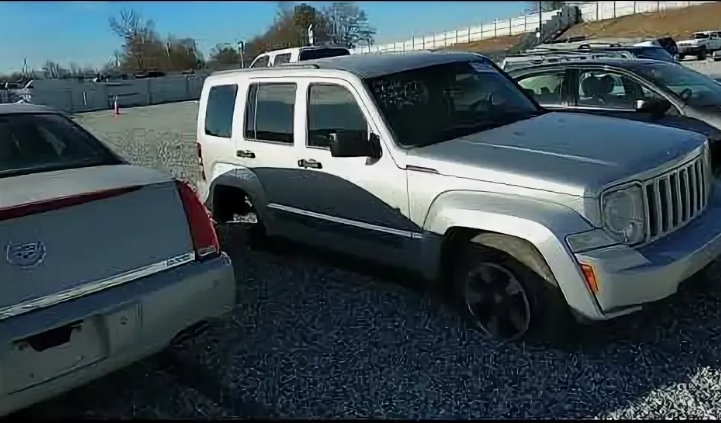
C. RAM Trucks (1500, 2500, 3500 Tradesman)
-
Gas Engines: 3.6L Pentastar V6, 5.7L HEMI V8, 6.4L HEMI V8.
-
Diesel Engines: 6.7L Cummins Inline-6 Turbo Diesel.
-
Auction Source: County road departments, heavy towing units, and emergency response fleets.
2. Frame Integrity and Structural Rust Inspection
Unlike sedans or unibody SUVs, pickup trucks use a body-on-frame layout. Frame damage or severe corrosion severely reduces towing capacity and prevents safety registration.
+-------------------------------------------------------------------------------+
|                        FRAME & UNDERBODY INSPECTION                            |
+-------------------------------------------------------------------------------+
| [Rear Frame Rails]  --> Check near spare tire for flaking or perforated rust |
| [Spring Hangers]    --> Inspect leaf spring shackles for cracks or rot        |
| [Hitch Receiver]    --> Check for structural rust or bent mounting welds      |
| [Rocker Panels]     --> Check cab corners and rocker panels for rot holes     |
+-------------------------------------------------------------------------------+
-
Surface Rust vs. Structural Rot: Flaking surface rust is expected on public works trucks. However, perforated rust holes or flaking metal layers along the rear frame rails or leaf spring hangers render the chassis unsafe for heavy loads.
-
Snow Plow Mount Damage: Trucks used for municipal winter road clearing frequently feature front snow plow brackets. Inspect front crossmembers and frame horns for cracks, twisted metal, or heavy salt corrosion.
3. Evaluating Drivetrains: Four-Wheel Drive (4WD) and Transmissions
Fleet trucks undergo frequent heavy payload hauling and trailer towing, making drivetrain checks essential during auction preview days.
| Component | Inspection Focus | Red Flag / Wear Indicator |
| Automatic Transmission | Pull transmission dipstick (if equipped); check fluid color and odor. | Dark brown or burnt-smelling fluid signals slipping clutches from heavy towing overloads. |
| Transfer Case (4WD) | Inspect transfer case housing under the center floor. | Fluid leaks around output shaft seals; binding or grinding when shifting between 2HI, 4HI, and 4LO. |
| Rear Differential | Inspect the rear axle housing and differential cover. | Wet gear oil residue surrounding cover bolts or pinion seals, indicating fluid loss and bearing wear. |
| Suspension & Leaf Springs | Check the rear stance height of the truck bed. | Sagging rear suspension or broken leaf spring leaves indicate chronic payload overloading. |
4. Utility Beds, Service Body Conversions, and PTO Hydraulics
Public utility trucks frequently feature specialized rear utility beds (Knapheide, Reading, or Dakota Bodies) with locking tool compartments or hydraulic equipment.
-
Utility Bed Latch and Lock Integrity: Ensure compartment handles turn smoothly and door hinges are not seized by rust. Replacing custom utility door latches can cost $50–$150 per door.
-
Power Take-Off (PTO) & Hydraulics: On heavy-duty service trucks equipped with hydraulic cranes, air compressors, or dump beds, inspect hydraulic lines for cracks, leaks, or low fluid reservoir levels.
-
Trailer Wiring Harnesses: Inspect the 7-pin rear trailer plug and 4-pin flat connector. Cut or corroded wiring harnesses require re-wiring before towing heavy trailers legally.
Summary Action Steps for Fleet Truck Bidders
-
Check the Frame First: Walk away if the rear frame rails, leaf spring hangers, or plow brackets show structural rot or cracks.
-
Inspect Transfer Case and Differential: Confirm 4WD engages smoothly and check for gear oil leaks on rear axle housings.
-
Factor in Tire Costs: Commercial truck tires (LT-metric or E-load rated) cost $800 to $1,400 per set. Always factor tire condition into your maximum bidding ceiling.
Winning a vehicle at a government or municipal auction is only half the transaction. Once the hammer falls, the buyer assumes immediate legal and financial responsibility for the asset. Managing post-auction logistics efficiently is critical to avoiding heavy daily storage fees, vehicle impoundment, or insurance liabilities.
Unlike retail car dealerships, government impound lots and municipal fleet yards do not offer courtesy delivery, temp tags, or extended storage windows.
1. Post-Auction Timelines and Removal Deadlines
Most public auction platforms (e.g., GovDeals, PublicSurplus, GSA Auctions) enforce strict operational timelines following lot closure:
+-------------------------------------------------------------------------------+
|                      POST-AUCTION LOGISTICS TIMELINE                          |
+-------------------------------------------------------------------------------+
| Day 1 – 2 : Payment Settlement & Bill of Sale Issuance                         |
| Day 3 – 5 : Removal Window (Free storage period)                              |
| Day 6+    : Daily Storage Penalty ($25–$100/day) or Default Forfeiture       |
+-------------------------------------------------------------------------------+
-
Payment Deadline: Typically 2 business days after auction close via wire transfer, cashier’s check, or certified funds.
-
Removal Window: Buyers usually receive 5 to 10 business days to pick up the vehicle.
-
Storage Penalties: Exceeding the removal deadline incurs daily storage charges ranging from $25 to $100 per day. Unclaimed vehicles after 30 days are declared abandoned and re-auctioned with forfeiture of funds.
2. Choosing Your Removal Method: Drive-Away vs. Towing
Before scheduling pickup, determine whether the vehicle can legally and mechanically be driven off the property or requires flatbed transport.
| Transport Method | Best Used For | Requirements & Prerequisites |
| Driven Off-Site (Drive-Away) | Fully operational fleet vehicles with valid inspection tags and clean title status. |
• Proof of active auto insurance policy. • Temporary movement permit or transit plate. • Jump-start pack and tire inflator in hand. |
| Flatbed Tow Truck / Car Hauler | Non-running lots, seized assets, "Bill of Sale Only" units, or long-distance purchases. |
• Winch-equipped trailer (if vehicle does not roll). • Driver authorization form sent to auction yard. • Scheduled appointment window. |
3. Essential Equipment for Self-Pickup
Government yards usually prohibit auction site staff from assisting with loading, jump-starting, or repairing vehicles. If picking up a vehicle personally, bring a minimum recovery toolkit:
-
Portable Lithium Jump Starter: Batteries on auctioned fleet units are frequently discharged from sitting idle.
-
12V Air Compressor & Tire Pressure Gauge: Fleet vehicles often have low or flat tires after months in storage yards.
-
Basic Hand Tool Kit: Socket set, pliers, and screwdrivers to reinstall battery terminals or adjust loose components.
-
Safety Gear: High-visibility vest, gloves, and flashlight (many municipal yards have limited lighting and require safety wear).
4. Hiring Third-Party Transport Carriers
For out-of-state or long-distance auction wins, hiring a professional auto transport company requires specific preparation:
-
Issue a Gate Pass / Authorization Letter: Notify the auction yard in writing, granting the transport carrier permission to collect the vehicle on your behalf.
-
Provide Buyer Identification: Send the carrier a copy of the paid invoice, lot number, and release document.
-
Verify Trailer Type:
-
Open Carrier: Most cost-effective for standard sedans, police cruisers, and pickup trucks.
-
Enclosed Carrier: Preferred for high-value collector vehicles or exposed classic parts.
-
Flatbed with Winch: Mandatory for non-running units or vehicles missing keys.
-
Summary Action Steps for Winning Bidders
-
Pay Immediately: Complete payment within 24 hours to accelerate the release document generation.
-
Coordinate Pickup Early: Schedule your tow truck or drive-away itinerary as soon as the release paperwork arrives—never wait until the final day of the free storage window.
-
Carry Recovery Tools: Always prepare for a dead battery, low tire pressure, or empty fuel tank when collecting retired government assets.
Navigating public car auctions and state asset liquidations requires a clear understanding of legal terminology, title documentation, and vehicle identification standards. Unlike purchasing from a private seller or traditional dealership, government auctions operate under strict statutory regulations where terms like "Bill of Sale Only," "Certificate of Origin," or "Rebuilt Title" carry significant registration implications.
Failing to understand documentation statuses before placing a bid can lead to purchasing a vehicle that cannot be legally registered, insured, or driven on public roads.
1. Decoding Vehicle Identification Numbers (VINs) for Auction Vehicles
A vehicle’s 17-digit Vehicle Identification Number (VIN) serves as its legal fingerprint. When evaluating public assets, the VIN reveals factory equipment, engine options, and factory fleet package verifications.
+-------------------------------------------------------------------------------+
|                        17-DIGIT VIN STRUCTURE BREAKDOWN                       |
+-------------------------------------------------------------------------------+
| Positions 1–3  : World Manufacturer Identifier (WMI)                         |
| Positions 4–8  : Vehicle Descriptor Section (Body Style, Engine, Trim)        |
| Position 9     : Check Digit (Calculated mathematical security code)          |
| Position 10    : Model Year (e.g., J = 2018, K = 2019, L = 2020)            |
| Position 11    : Assembly Plant Code                                          |
| Positions 12–17: Sequential Vehicle Production Serial Number                   |
+-------------------------------------------------------------------------------+
Verifying Factory Police and Special Service Packages
-
Ford Police Interceptor Utility (FPIU): Look for VIN body codes like
K8A(AWD Police Utility) or specific engine digits (e.g.,8for 3.7L Ti-VCT V6,Cfor 3.5L EcoBoost V6,Bfor 3.3L V6). -
Chevrolet Tahoe PPV / SSV: Check position 4–7 for model designation and cross-reference the glovebox option sticker for code PPV (Police Pursuit Vehicle) or SSV (Special Service Vehicle).
-
Dodge Charger Pursuit: Check for position 4–6 package indicators verifying police-spec brake and cooling configurations.
2. Title Statuses and What They Mean for Buyers
Government auctions sell assets originating from diverse administrative sources—retired municipal fleets, seized property, or insurance write-offs. Always check the title document status listed in the lot description before bidding:
| Title Status | Meaning and Legal Implication | Registration Difficulty |
| Clean / Clear Title | Vehicle has no documented history of severe structural damage or total-loss insurance claims. Free of financial liens. | Easy: Standard transfer at local motor vehicle departments. |
| Government / Municipal Title | Title held directly by a city, county, state, or federal agency. | Easy to Moderate: Requires agency reassignment paperwork and standard state registration forms. |
| Certificate of Origin (MSO/COO) | Vehicle was purchased directly by a government entity and never registered through a standard civilian DMV system. | Moderate: Requires filing an initial application for title with government bill of sale attached. |
| Salvage Title | Vehicle was declared a total loss due to collision, flood, or vandalism damage exceeding its market value. | Hard: Cannot be driven on public roads until repaired, inspected, and re-titled. |
| Rebuilt / Reconstructed Title | Formerly a salvage vehicle that passed official safety and structural state inspections following repairs. | Moderate: Road legal, but insurance coverage may be limited to liability only. |
| Bill of Sale Only (No Title) | Sold purely as parts or scrap without standard ownership documentation. | Severe / High Risk: Difficult or impossible to register for highway use in most jurisdictions. |
3. Essential Post-Auction Documentation Package
When winning a government auction lot, ensure the auction platform or releasing agency provides a complete documentation packet before transporting the vehicle:
-
Official Bill of Sale: Signed by an authorized government procurement officer detailing the sale price, VIN, winning bidder name, and sale date.
-
Reassigned Title / Certificate of Release: The signed ownership document transferring title from the municipal entity to the purchaser.
-
Form SF-97 (U.S. Federal Auctions): The official federal Certificate to Obtain Title to a Vehicle, issued when purchasing federal or military surplus vehicles.
-
Odometer Disclosure Statement: A legally required document certifying exact mileage or indicating "Exceeds Mechanical Limits" / "Exempt" status based on vehicle age.
Summary Action Steps for Bidders
-
Decode the VIN: Run a full VIN check before bidding to confirm true factory equipment, engine size, and build options.
-
Avoid "Bill of Sale Only" Lots for Road Use: Only bid on non-titled assets if purchasing for spare parts, off-road equipment, or dedicated track/farm projects.
-
Verify SF-97 Requirements: When buying from federal auctions (e.g., GSA), factor in the processing time (2–6 weeks) required to receive the official titling certificate.
- How to Inspect, Test, and Buy Retired Police Interceptors at Public Auctions
- How to Buy Fleet and Auction Vehicles for Personal Camper Van Conversions
- Mileage vs. Engine Idle Hours: Evaluating True Engine Wear on Government Fleet Cars
- How to Read and Decode Vehicle Identification Numbers (VIN) for Auction Cars
