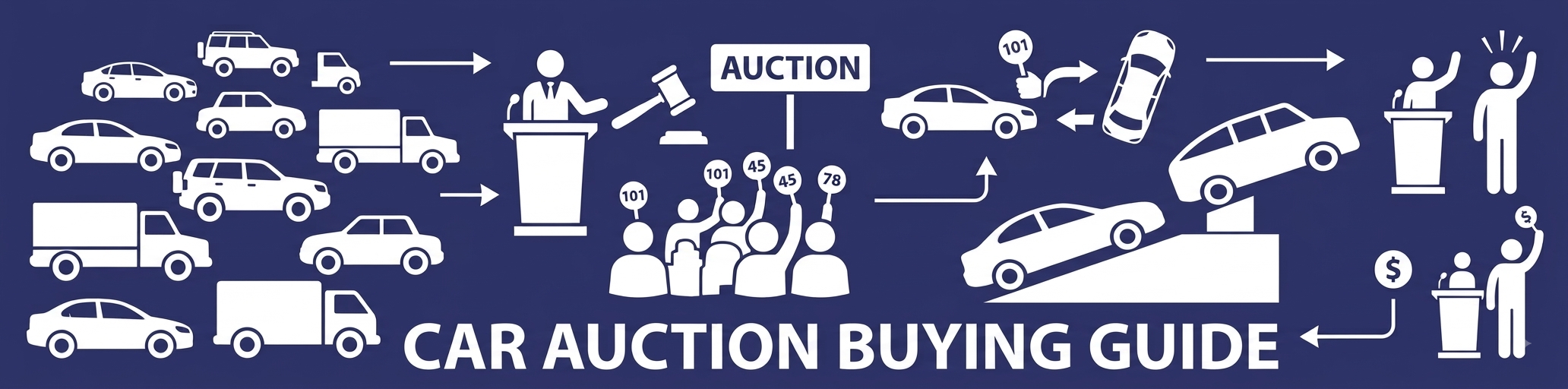
Buying a vehicle through public or government auto auctions can be one of the most cost-effective ways to acquire a used car, truck, or commercial asset. State agencies, municipal fleets, and law enforcement organizations routinely liquidate surplus vehicles, trade-ins, and impounded property to clear inventory and recoup public funds.
However, purchasing at an auction differs significantly from buying from a dealership or private seller. There are no test drives around the block, sales reps, or traditional warranties. This guide breaks down how public auto auctions work, how to evaluate vehicles, and how to place smart bids without overpaying.
1. Types of Public Auto Auctions
Before placing a bid, it is essential to understand where the vehicles originate and how the auction is structured:
-
Government Surplus Auctions: Federal, state, and local agencies periodically retire fleet vehicles (such as police cruisers, utility trucks, administrative sedans, and service vans). These vehicles typically feature detailed maintenance records and routine service histories.

-
Tow-Yard & Seized Property Sales: Law enforcement agencies and municipalities auction impounded, abandoned, or seized vehicles. Condition can vary widely, and documentation must be thoroughly reviewed prior to purchase.
-
Wholesale Fleet Liquidations: Utility companies, banks, and corporate entities offload surplus transport vehicles to public buyers via organized online or physical auction houses.
2. Pre-Auction Preparation & Research
Success at an auto auction is decided before the bidding opens. Proper preparation involves three key steps:
A. Reviewing the Lot Catalog
Auction houses release inventory catalogs days or weeks in advance. Study the vehicle listings for key details:
-
Year, Make, Model, and Trim level
-
Odometer reading (Mileage)
-
Engine size and Drivetrain (FWD, RWD, 4WD/AWD)
-
Title status (Clean, Salvage, Rebuilt, or Bill of Sale)
B. Understanding Title Statuses
Never bid on a lot without checking its title designation:
-
Clean Title: The vehicle has no history of being declared a total loss by an insurance company.
-
Salvage Title: The vehicle has sustained significant damage or was previously written off.
-
Rebuilt Title: A former salvage vehicle that has passed state safety and structural inspections.
C. Running Vehicle History Reports (VIN Checks)
Obtain the Vehicle Identification Number (VIN) from the auction catalog and run a history report (via services like Carfax, AutoCheck, or local government databases) to verify:
-
Past accident history and airbag deployments
-
Previous ownership type (Government fleet, rental, private owner)
-
Service and registration records
3. On-Site Inspection Strategy
If the auction allows in-person preview days, take full advantage. While you usually cannot drive the vehicle, a thorough visual inspection can reveal critical information:
| Inspection Area | Key Items to Check | Red Flags |
| Engine & Fluids | Oil level/color, transmission fluid, coolant condition. | Milky oil (blown head gasket), burnt fluid odor, fresh heavy leaks. |
| Body & Structure | Panel alignment, frame rails, paint uniformity. | Uneven panel gaps (past collisions), structural frame rust, bubbling paint. |
| Interior & Electrical | Wear pattern on pedals/steering wheel, dashboard lights. | Musty smell (water/flood damage), missing modules, active warning lights. |
| Tires & Suspension | Tread depth, brand consistency, stance height. | Uneven tire wear (alignment/suspension damage), sagging corners. |
4. Bidding Tactics & Financial Discipline
The most common mistake first-time auction buyers make is letting emotion drive their bids.
Set a Strict Maximum Bid
-
Determine the Fair Market Value (FMV) of the vehicle using local market data and pricing guides.
-
Deduct anticipated repair costs and reconditioning expenses.
-
Deduct Buyer’s Premiums and administrative fees charged by the auction house (typically 5% to 15% of the hammer price).
-
The remaining number is your absolute maximum bid. Do not exceed it.
Auction Day Rules
-
Watch a Few Lots First: Observe the pace of the auctioneer and identify regular commercial buyers versus individual bidders.
-
Beware of "Phantom Bidding": Stay focused on the current price floor and bid increment steps.
-
Factor in Transportation: Ensure you have a plan (and budget) to tow or transport the vehicle off the lot within the required clearance timeframe (usually 24–48 hours).
Summary Checklist for Auction Buyers
-
Verify Registration: Ensure you meet registration requirements (some auctions require a deposit or prior account validation).
-
Read Terms & Conditions: Know the accepted payment methods (wire transfer, cashier's check, credit card limits).
-
Inspect the Title: Confirm the paperwork is transferable in your jurisdiction before placing a bid.
-
Stick to Your Limits: Factor fees, taxes, and towing into your total budget before raising your paddle or clicking "Bid."
