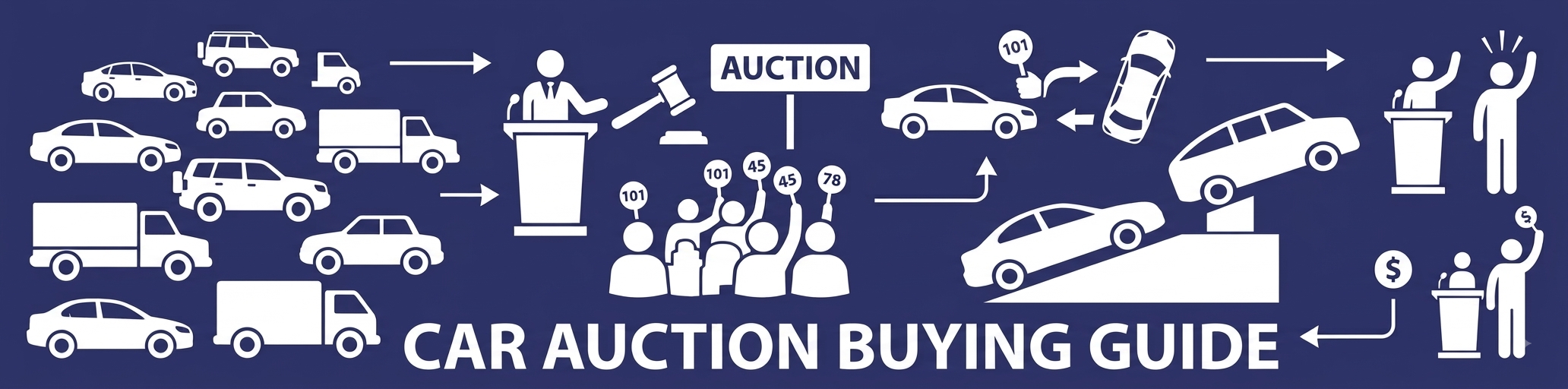
As government agencies and municipal authorities have modernized asset liquidation, the vehicle auction landscape has split into two primary formats: Traditional Physical On-Site Auctions and Digital Online Bidding Platforms.
While both formats give buyers access to retired government fleets, seized property, and public utility vehicles, the operational dynamics, inspection limitations, and bidding mechanics vary significantly. Knowing how to navigate each medium is essential for minimizing risk and securing value.
1. Comparing Auction Platforms
| Feature | Physical On-Site Auctions | Digital Online Auction Platforms |
| Inspection Access | Direct, hands-on physical inspection during preview days; ability to start engines (where permitted). | Dependent on digital lot photos, condition reports, and third-party inspection disclosures. |
| Bidding Pace | Fast-paced, live auctioneer calling bids in seconds; high physical intensity. | Timed auctions with automated extenders (anti-snipe features); bids placed over days or hours. |
| Geographic Reach | Local or regional buyers physically present at the storage facility. | Nationwide or international competition, increasing the number of active bidders per lot. |
| Fee Structures | Often lower administrative processing fees; standard buyer’s premiums. | Often includes platform convenience fees, online payment processing charges, or gateway fees. |
| Logistics & Removal | Immediate vehicle pickup upon payment clearance (often same-day or within 48 hours). | Requires coordinating remote freight transport, towing services, or scheduled yard appointments. |
2. Navigating Online Vehicle Auctions Effectively
Bidding on a vehicle sight-unseen requires heightened scrutiny of published documentation and digital media.
A. Maximizing Photo and Video Analysis
-
High-Resolution Inspection: Zoom in on high-wear areas—steering wheel rim, driver seat bolster, rubber pedal pads, and door sill plates. Heavy wear in these areas on a low-mileage asset signals high engine idle hours or odometer discrepancies.
-
Underbody & Suspension Shots: Look closely at tire well photos for frame rail rust, fluid leaks on suspension control arms, or missing exhaust components (e.g., cut catalytic converters).
-
Dashboard Instrument Photos: Verify if photos show the instrument cluster illuminated with the ignition key in the "ON" position. Look for active fault indicators: Check Engine (MIL), ABS, or SRS Airbag warning lights.
B. Understanding Digital Lot Mechanics
-
"Pop-Up / Anti-Snipe" Timers: Unlike retail bidding sites where bids can be placed in the final second, most public auction platforms extend the lot closing timer by 2 to 3 minutes whenever a new bid is submitted in the final moments. Expect popular lots to run well past their official end time.
-
Reserve vs. Absolute Auctions:
-
Absolute Sale (No Reserve): The vehicle sells to the highest bidder regardless of price.
-
Reserve Sale: The government agency sets a minimum acceptable price. If bidding fails to meet the reserve, the highest bid is submitted to the agency for "Pending Approval," which can take 24–72 hours.
-
3. Mastering Live Physical On-Site Auctions
Physical auctions move rapidly—an auctioneer can clear 60 to 100 lots per hour. Success on-site relies on environmental awareness and psychological control.
+-------------------------------------------------------------------------------+
|                       PHYSICAL AUCTION DAY WORKFLOW                           |
+-------------------------------------------------------------------------------+
| [Arrive Early (Preview Day)]  --> Inspect priority targets & note lot numbers|
| [Set Maximum Bid Ceiling]    --> Deduct buyer's premium and transport fees    |
| [Position Near Auctioneer]    --> Keep clear view of competing bidders         |
| [Execute Bids Decisively]     --> Signal clearly; stop exactly at max limit   |
+-------------------------------------------------------------------------------+
Key Tactics for the Yard
-
Locate Competing Bidders: Position yourself where you can see both the auctioneer/ringman and the main crowd. Identify whether you are bidding against private individuals (who may bid emotionally) or commercial fleet buyers (who stop bidding strictly at wholesale threshold limits).
-
Control Your Body Language: Keep your paddle flat until you intend to bid. Clear, decisive signals prevent the auctioneer from misinterpreting a head nod or adjustment as an active bid.
-
Verify the Lot Number: Auctioneers move quickly. Always double-check that the lot number called matches the exact vehicle parked in the ring or on your inspection sheet before raising your paddle.
4. Post-Win Logistics: Transport and Site Clearance
Winning a lot triggers strict facility clearance deadlines, typically 24 to 72 hours before daily storage penalties apply ($25–$100/day).
-
On-Site Pickup: If driving the vehicle home, bring a jump-starter pack, portable tire inflator, basic hand tools, and fresh fluids (oil/coolant). Ensure temporary transit permits and insurance coverage are active.
-
Towing / Flatbed Transport: Non-operational units (Condition Code 3/4) or vehicles lacking title documentation must be towed off the yard by a licensed transport operator. Schedule freight logistics before auction day if bidding remotely.
Summary Action Steps
-
For Online Auctions: Rely heavily on VIN history reports, detailed photo analysis, and factor remote shipping costs into your maximum bid ceiling.
-
For Physical Auctions: Complete all physical inspections during early preview hours—never inspect a vehicle while it is actively being auctioned in the ring.
-
Plan Clearance Logistics: Have a transportation plan ready for immediate execution the moment your invoice is cleared.
