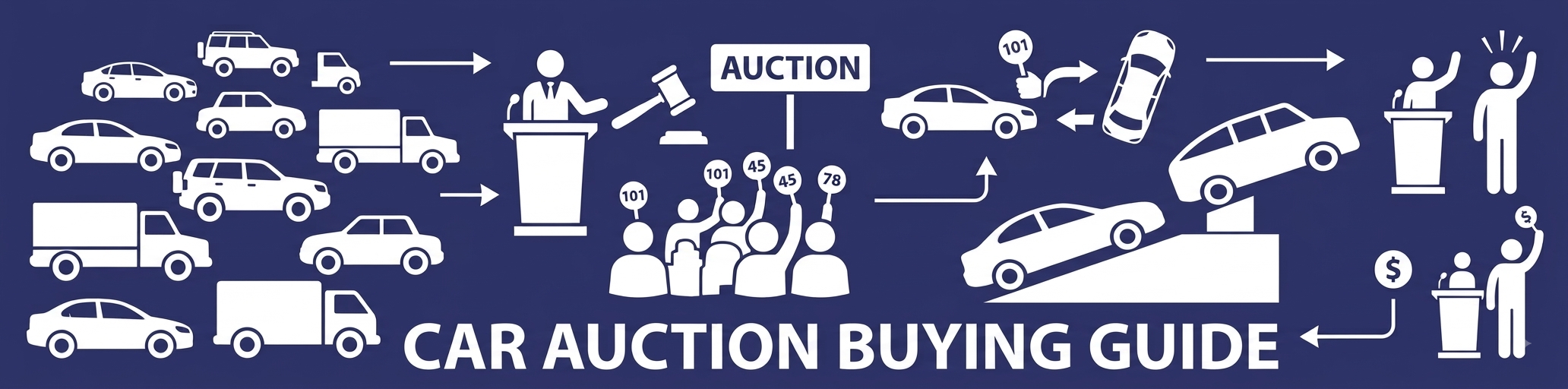
If you’re thinking about picking up a car at an auction, you can often snag a real bargain — sometimes 20 to 50 percent under what the vehicle’s actually worth. But don’t get too excited just yet: these auctions run by the book, with tight rules around how bidding works and a firm “as‑is, where‑is” policy you’ll have to live with.
This guide walks you through how U.S. auto auctions really work, what pitfalls to watch out for, and how to put together a solid game plan so you can score a good deal while steering clear of legal headaches and title troubles.
Getting the lay of the land in U.S. auto auctions
In the States, car auctions come in a few different flavors: open to the public, run by the government, or restricted to dealers only. Figuring out which one lines up with your budget and what kind of license you’ve got is half the battle.
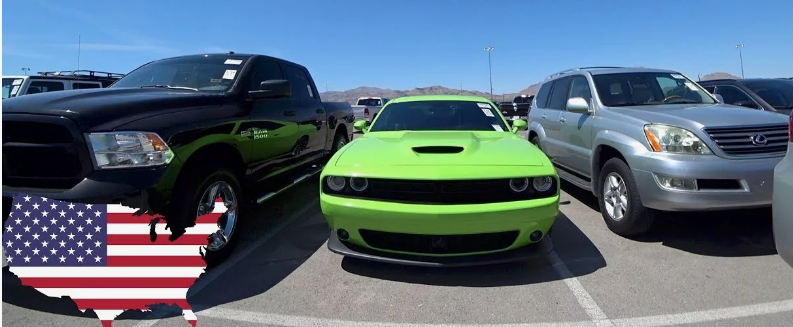
Public and bankruptcy auctions
When companies or individuals go under, U.S. bankruptcy courts (under Chapters 7 and 11) step in and sell off assets to pay creditors. Court‑appointed trustees handle the sales, either through sites like BankruptcySales.com or at local court auctions.
Then there’s the government’s surplus and seized inventory. Federal, state, and local agencies regularly clear out fleets and confiscated property:
- GSA Auctions (General Services Administration) — these are government fleet vehicles, and they usually come with solid maintenance histories.
- GovDeals and PublicSurplus — here you’ll find vehicles from state, county, and city departments, like police cruisers and utility trucks.
- U.S. Marshal Service and Treasury (including CBP and IRS) — they handle forfeited assets, so you might see luxury cars, classics, and other high‑profile lots.
Dealer‑only auctions and how regular buyers can still get in
Big wholesale networks like Manheim, ADESA, and IAAI (Insurance Auto Auctions) typically only let licensed dealers in the door. To participate, you’ll need a proper dealer license (or DIR). But that doesn’t mean everyday buyers are shut out entirely: you can tap into these inventories through registered auto brokers, or check platforms like Copart or AutoBidMaster, which offer public‑tier access.
How the bidding actually works
Not all auctions play by the same rules, and knowing the difference can save you money—or at least keep you from overpaying.
- Absolute auctions: The car goes to whoever bids the most, no matter how low the final price. These can be the most lucrative if you play it smart.
- Reserve auctions: The seller sets a bottom line. If the bids don’t hit that mark, they can either talk directly with the top bidder or pull the vehicle from sale.
- Timed online vs. live bidding: Online auctions run on fixed windows and often include “soft closes” to stop last‑minute bidding sprees. Live auctions demand quick thinking and instant decisions.
Title status: what it really means for your wallet and your plans
The title tells you what you’re actually buying—and what you’ll be able to do with it. It affects insurance, resale value, and whether the car can even legally hit the road.
| Title status | What it means | What it costs you |
|---|---|---|
| Clean title | No total‑loss claims from an insurer. | Best resale value; you can get standard financing and insurance. |
| Salvage title | The insurer declared it a total loss (because repairs would cost 75–90 % of its value) due to crash, flood, or theft. | Can’t be driven legally until it’s fixed and inspected by the state. |
| Rebuilt / prior salvage | A salvage car that passed a state safety and anti‑theft inspection. | Usually only eligible for liability insurance; expect a 20–40 % hit to resale value compared to a clean‑title car. |
| Certificate of destruction / junk | The frame is too damaged to repair, or it’s marked for parts only. | No chance of getting it retitled or driven in the U.S. |
A practical roadmap to buying at auction
Step 1: Get registered and ready to put down a deposit
On government platforms, you’ll need to show a valid ID or passport and go through specific clearance steps—for some federal auctions, that means registering via SAM.gov.
Expect to put up a refundable bid deposit, usually between 400and400 and 400and1,000, or around 10 % of your maximum intended bid. This is often held on a credit card or sent via wire transfer.
Step 2: Do your homework before you bid
Never throw money at a vehicle without checking it out thoroughly first.
- Run a VIN history report: Use NMVTIS, Carfax, or AutoCheck to uncover title brands, odometer tampering, and any total‑loss events.
- Inspect in person when possible: Pay close attention to the frame rails, engine bay fluids, OBD‑II diagnostics, and any signs of flood damage (like corrosion under the dashboard or silt in the wiring).
- Check the market value: Use NADA and KBB to get a fair market value (FMV), then set a maximum allowable bid (MAB) with this formula:

Step 3: Bid with discipline
Remember the buyer’s premium: auction houses tack on a fee, often 5 to 15 % of the hammer price. Build that into your numbers before you decide how high you’re willing to go.
And whatever you do, don’t let emotions push you into a bidding war. Once you start chasing the highest bid, your profit margin disappears in a hurry.
Step 4: Close the deal, handle the title, and settle up
After the gavel drops, things move fast:
- Pay up quickly: Most government and court auctions want the full amount via wire transfer within 24 to 48 hours. Miss the deadline, and you’ll lose your deposit—and possibly get banned from the platform.
- Confirm lien releases: In bankruptcy sales, make sure the court order explicitly transfers the vehicle “free and clear of all liens and encumbrances” under 11 U.S.C. § 363.
- Register with the DMV: Take the auction bill of sale, any court order, the signed title, and the state inspection certificate to your local DMV to complete the title transfer.
Quick checklist to keep you on track
- Always check the title brand before you even look at the car’s bodywork.
- Build buyer premiums, transport costs, and state taxes into your budget from day one.
- For bankruptcy purchases, insist on an official court‑issued lien release.
- Set a firm maximum allowable bid and stick to it—it’s the best way to protect your bottom line.
