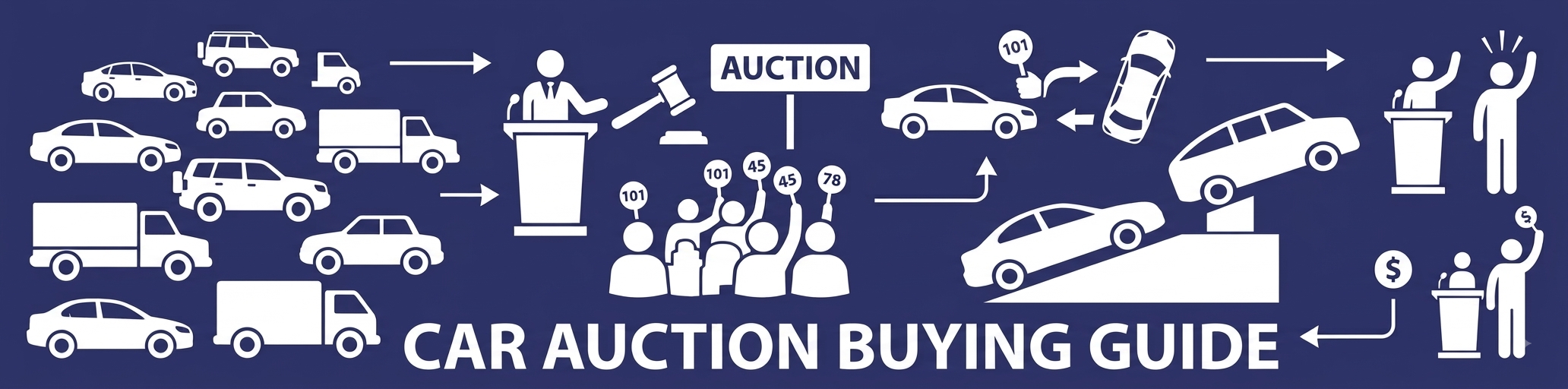
Winning the bid at a public or government auto auction is only half the process. Successfully transferring ownership, registering the vehicle, and driving it legally on public roads requires navigating a specific set of administrative and documentation steps.
Because auction assets frequently stem from government fleet liquidations, law enforcement seizures, or municipal asset retirements, handling the paperwork correctly prevents registration delays, unexpected tax liabilities, or title issues.
1. Primary Documents Provided by Auction Houses

Upon settling your final invoice (hammer price plus buyer fees), the auction manager or liquidation authority must provide a specific packet of ownership documents. Always review this paperwork on-site before leaving the auction facility:
-
Bill of Sale (Invoice of Sale):
The official receipt detailing the purchase price, buyer and seller details, vehicle Identification Number (VIN), sale date, and final transaction amount. This serves as primary proof of purchase.
-
Government Form SF-97 (Certificate of Release of a Motor Vehicle):
Used specifically for federal, military, or municipal government fleet liquidations. Form SF-97 serves as the official federal reassignment document allowing a buyer to apply for a standard state or regional title.
-
Reassigned Vehicle Title:
If the vehicle was owned by a local municipality, utility company, or corporate fleet, you will receive a standard title signed over by the authorized agency representative.
-
Certificate of Repossession / Seizure Order:
For impounded or seized property sales, this legal document certifies that the court or issuing authority has terminated prior ownership rights and authorized the public sale.
2. Step-by-Step Title Transfer Process
To transition an auction vehicle from public asset status to a fully registered private vehicle, follow this structured administrative workflow:
[1. Settle Auction Invoice] ──> [2. Obtain SF-97 / Reassigned Title] ──> [3. Complete VIN Verification]
                                                                                  │
                                                                                  ▼
[6. Receive New Title & Plates] <── [5. Pay Taxes & Registration Fees] <── [4. Pass Inspection]
Step 1: VIN Verification & Physical Inspection
Many local registration authorities require a mandatory physical VIN Inspection for vehicles coming from government registries, out-of-state auctions, or federal fleet liquidations.
-
What is checked: A certified inspector or law enforcement officer verifies that the physical VIN plate on the dashboard and door jamb matches the paperwork exactly and has not been tampered with.
Step 2: Safety & Emissions Testing
Before a new title and license plates can be issued, the vehicle must pass local compliance standards:
-
Safety Inspection: Verifies working lights, horn, windshield integrity, brake systems, and tire condition.
-
Emissions / Smog Check: Required in many jurisdictions to confirm the exhaust system and catalytic converters meet regional environmental standards.
Step 3: Registration, Tax Settlement, and Titling
Submit your complete document packet to your local motor vehicle authority (DMV / Public Service Center / Registration Office):
-
Original Bill of Sale and Form SF-97 (or signed title).
-
Proof of physical VIN verification and safety/emissions certificates.
-
Proof of valid auto insurance coverage.
-
Payment for sales tax (calculated on the final purchase price), titling fees, and registration plate fees.
3. Title Types & Red Flags to Avoid
Understanding the exact classification of the title you receive is critical for insurance coverage and future resale value:
| Title Type | Description | Insurance & Registration Impact |
| Clean / Clear Title | Standard ownership title with no total-loss or severe structural damage history. | Full comprehensive/collision insurance eligible; standard registration process. |
| Salvage Title | Vehicle declared a total loss due to collision, flood, or fire damage. | Cannot be driven legally; requires rebuilding and passing a strict structural inspection. |
| Rebuilt / Prior Salvage | A former salvage vehicle that has been repaired and passed safety inspections. | Registrable and road-legal; limited to basic liability insurance coverage in many regions. |
| Junk / Scrap / Parts Only | Vehicle sold strictly for material recovery or spare components. | Non-titlable. The vehicle can never be legally registered or driven on public roads. |
4. Key Takeaways for Auction Buyers
-
Never Accept Verbal Promises: Ensure all title reassignments, signatures, and government seals are physically present on the official documents provided at pickup.
-
Mind the Clearance Deadline: Registration authorities typically give buyers 30 days from the invoice date to transfer ownership before late penalties apply.
-
Verify Insurance First: Most jurisdictions require active auto insurance before issuing temporary transit permits or permanent plates for auction vehicles.
